Student-Run Broadcasting and Production
Turn your esports program into a student-run broadcast.
Students learn broadcasting and production at school, work live events across New Jersey, and build toward college and careers. No production experience or professional equipment required.

It Starts at Your School
It starts in the classroom.
GSE schools can turn their weekly esports matches into student-run broadcasts from their own classrooms. Students operate the broadcast, call the action, build graphics, collect statistics, and share their teams’ stories with audiences beyond their own building.
Schools can begin with equipment they already own or use the GSE Casting Kit for a more consistent student-run setup. Schools with no production equipment can still participate by sending students to GSE events, where they train and work using GSE equipment.
Advisors do not need to become broadcast producers. GSE trains students to operate the broadcast while the advisor supervises the team.
Start with what you have
No prior experience needed
Students run the broadcast

Choose Your Path
Two ways to run the show
Two programs, one production. Students can specialize in one track or build experience across both.

On the Mic
Become the voice of the broadcast.
Students develop play-by-play commentary, analysis, storytelling, research, interviewing, and desk hosting. They can attend live online training, broadcast matches from their own school, and apply to work GSE State Championships and college events.
Content Scout
Sideline Reporter
Play-by-Play Commentator
Color Commentator
Desk Host
Desk Analyst
Broadcast Producer

Behind the Boards
Build the production behind the broadcast.
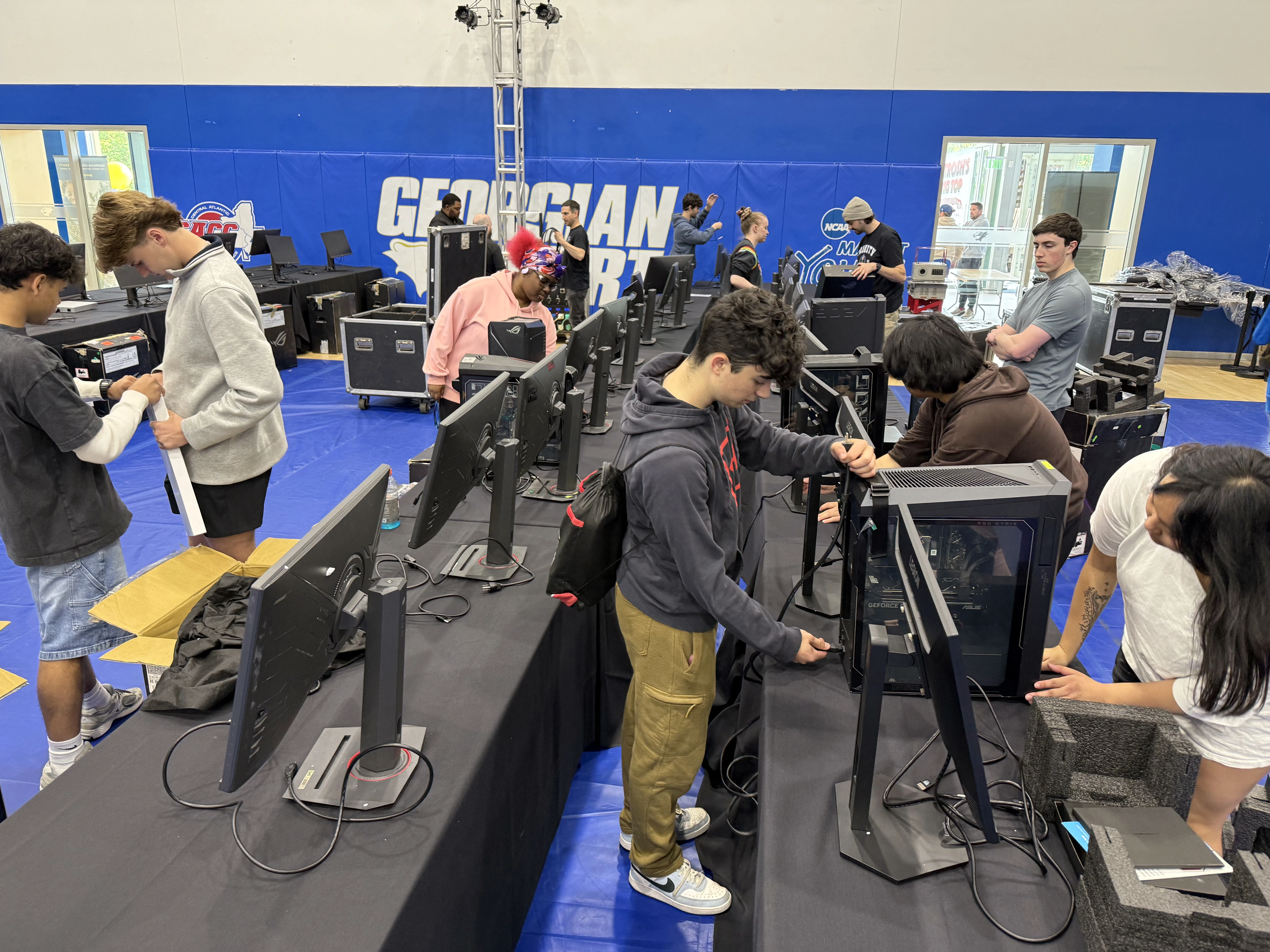
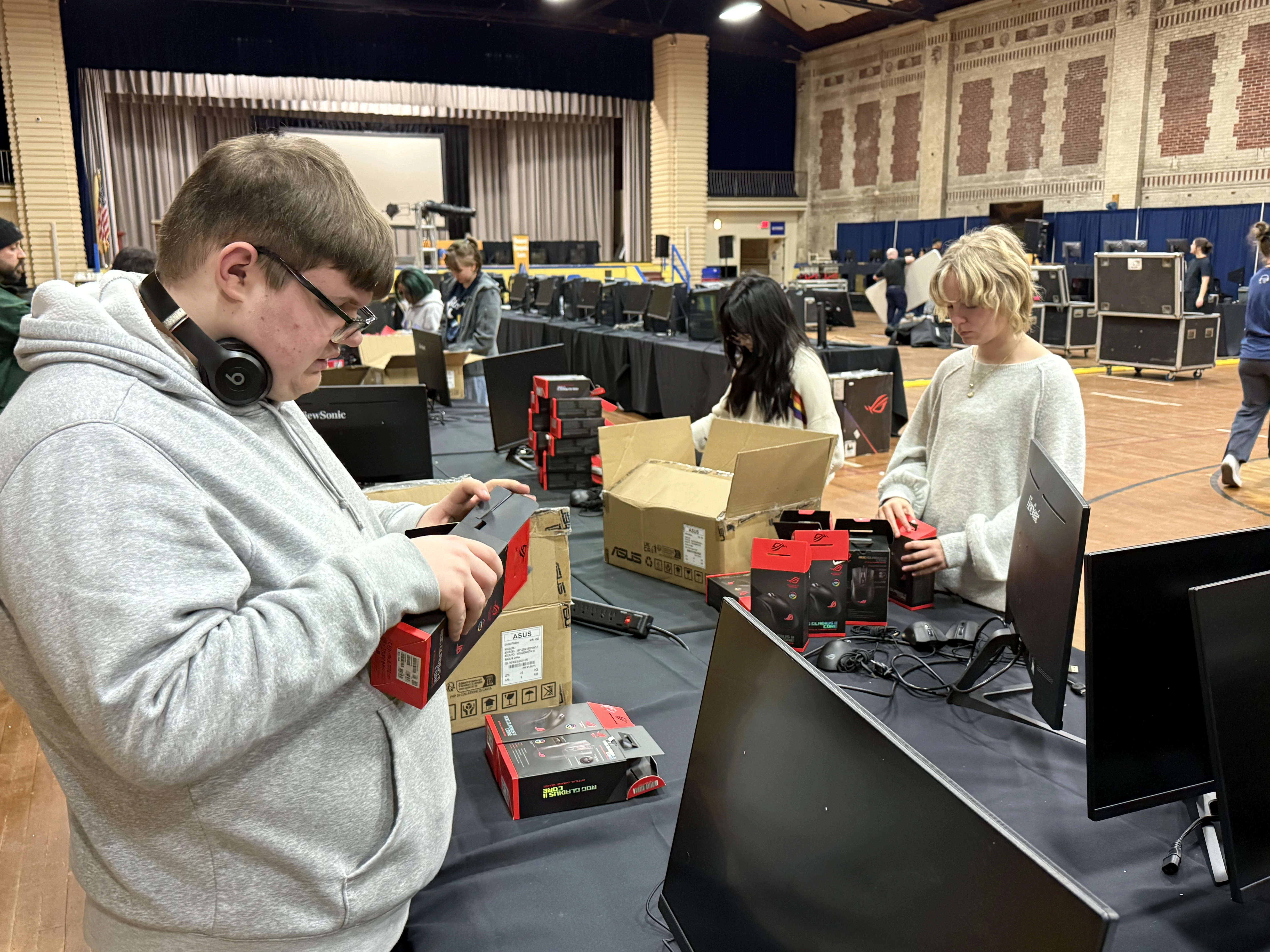
Students work cameras, audio, graphics, replay, in-game observing, switching, stage management, and event operations. They practice through school broadcasts and apply to work alongside experienced mentors at GSE championships and college events. Selected students may also help transform the championship venue into a live production space during event setup.
Production Assistant
Camera Operator
Observer
Replay Operator
Graphics Operator
Graphic Designer
Audio Technician
Technical Director
Stage Manager
Executive Producer
Every role contributes to the same student-run production.
How Students Advance
Progress is earned, role by role.
Students advance by demonstrating their skills during live events. Their current roles and progression states are organized through GSE’s Universal Call Sheet, then their performance and hours are confirmed after each eligible event.
01
Trained
Learn the role.
Performs the role during a live event with an experienced crew member available to provide support.
02
Independent
Own the responsibility.
Runs the role for a complete event, anticipates what comes next, and handles routine problems without supervision.
03
Lead
Lead the crew.
Trains other students, manages unfamiliar situations, and solves problems beyond what the role checklist covers.
From Experience to a Verified Record
Every assignment becomes part of the student’s story.
At each event, GSE’s Universal Call Sheet identifies the student, school, assigned role, and current progression state. After eligible events, the supervising GSE production staff or college partner confirms the role performed, state demonstrated, hours worked, and sign-off.
Universal Call Sheet
Used at school broadcasts, GSE events, and college match days to assign students to stations and show how much support each student needs.
Production and Broadcast Record
Verified event information is added to each student’s master record, documenting every event, role, progression state, hour worked, and sign-off.
Once implemented, students will receive their record annually and when they graduate, giving them verified experience to share with colleges, districts, and future employers.
The Student Pathway
Start at school. Build toward college and industry.
Students begin by learning production and broadcast roles at their own schools. They practice through school broadcasts, work live GSE and college events, and take on greater responsibility as they demonstrate their skills. Students can enter the pathway at any point and advance as quickly as their experience allows.
School Training
School Broadcasts
GSE Events
College Events
College Programs and Industry
The pathway also runs in both directions. College students return to GSE events as production leads and mentors, while high school students gain experience working events on college campuses.
Work-Based Learning
Students do the work, not just watch it.
At GSE and partner events, students work assigned production and broadcast roles, collaborate with unfamiliar crews, communicate under pressure, solve technical and operational problems, and receive documented hours and performance verification.
Real Live Events
Students work actual productions with real audiences, schedules, and responsibilities.
Documented Experience
GSE records the roles, hours, progression, and verification students earn at eligible events.
District Alignment
Districts may use these experiences as reportable work-based learning when state and local requirements are met.
The same technical, communication, and leadership skills support careers in live sports, television, digital media, corporate events, entertainment, and audio-visual production.
College and Career Pathway
Build experience that colleges and employers can understand.
Every participating school and partner uses the same role names and progression system. Students build a record showing what they have done, how independently they can perform each role, and how many verified hours they have worked.
In Development
The GSE Production and Broadcast Record
GSE is developing a verified record that documents each student’s events, roles, hours, progression, and performance verification. Students will be able to use this record alongside their portfolio, resume, college applications, and future employment applications.
Working with New Jersey colleges.



Student Voices
From student crew to college programs.

On the Mic
"Casting helped me come out of my shell and discover a more confident, outgoing side of myself. It has shaped how I communicate, connect with people, and carry myself today. I honestly do not know who I would be if I had never stepped behind the microphone."
Jadyn Steffanelli
Barnegat High School, now casting for Stockton Esports

Behind the Boards
"I started doing production as a clueless freshman, worked my way up to executive producer, and now I’m studying Broadcasting because of all the amazing experiences afforded to me by being a part of GSE."
Zoey Boersma
Studying Broadcasting, Digital Media, and Journalism at Cedarville University

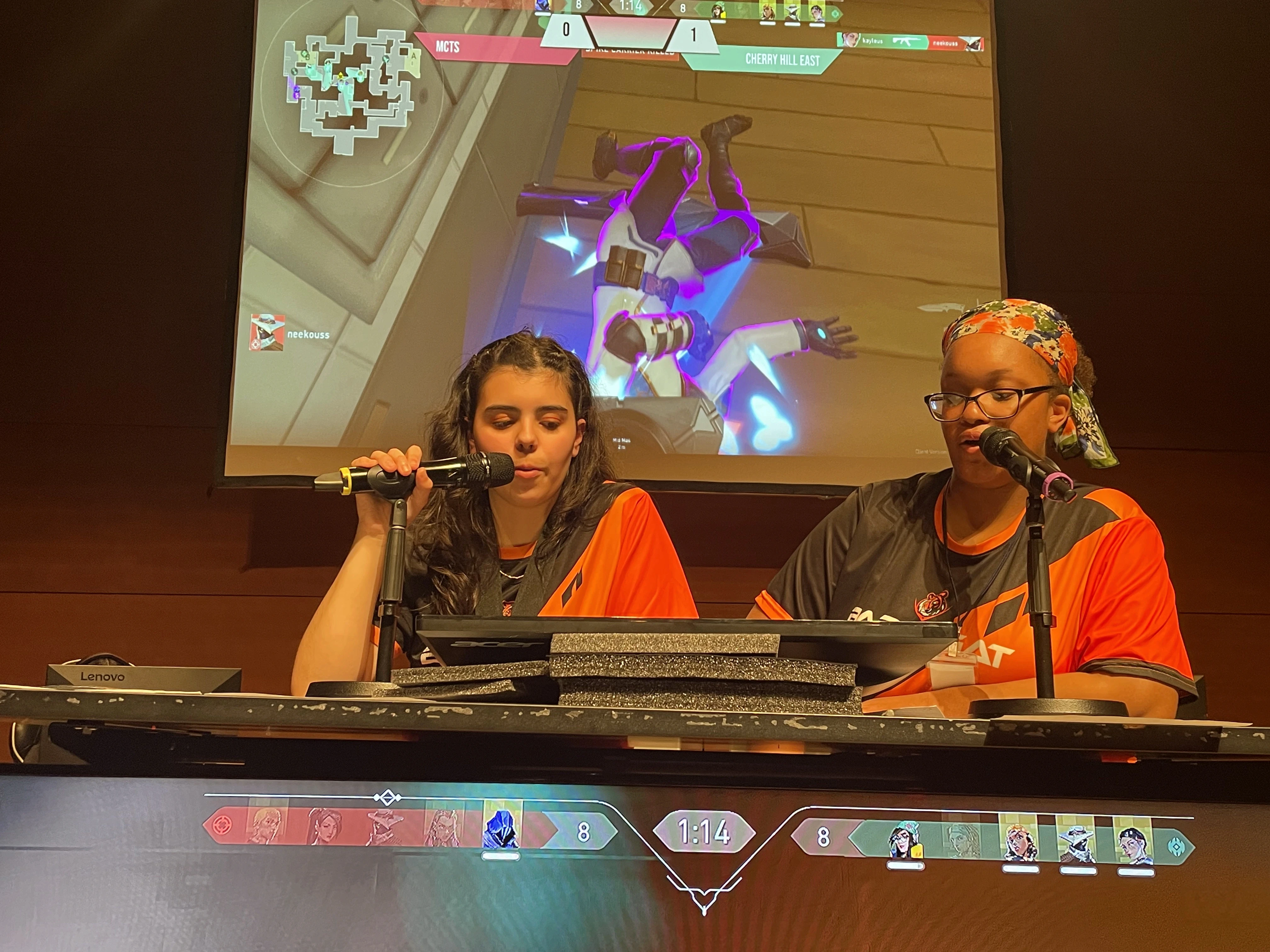
Shoutcaster
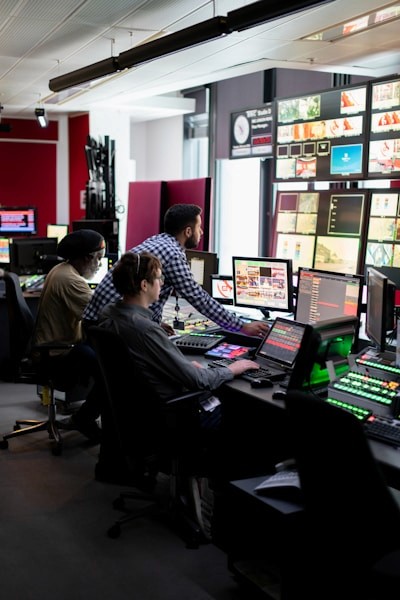

Producer

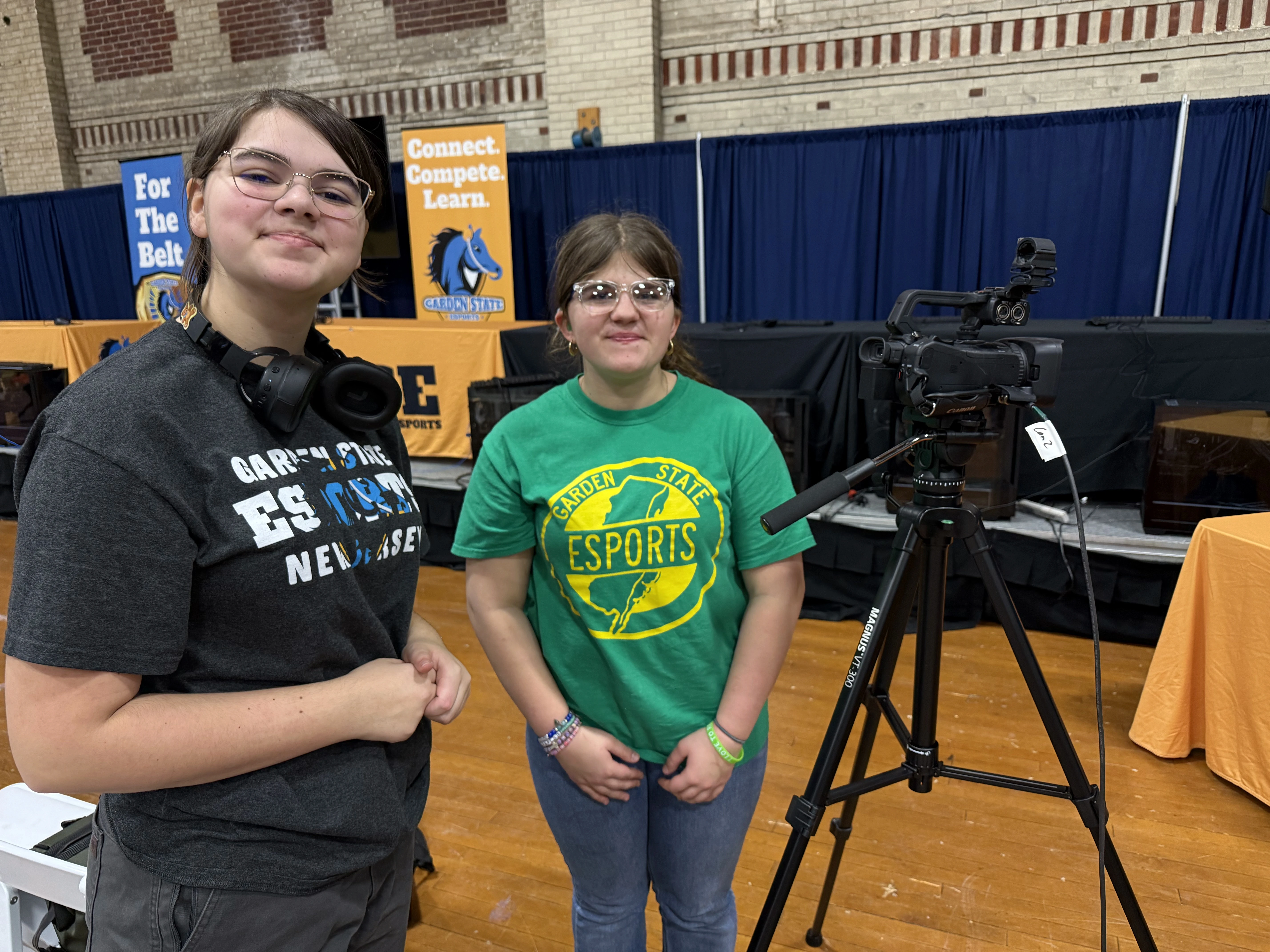

Network Engineer


Event Crew
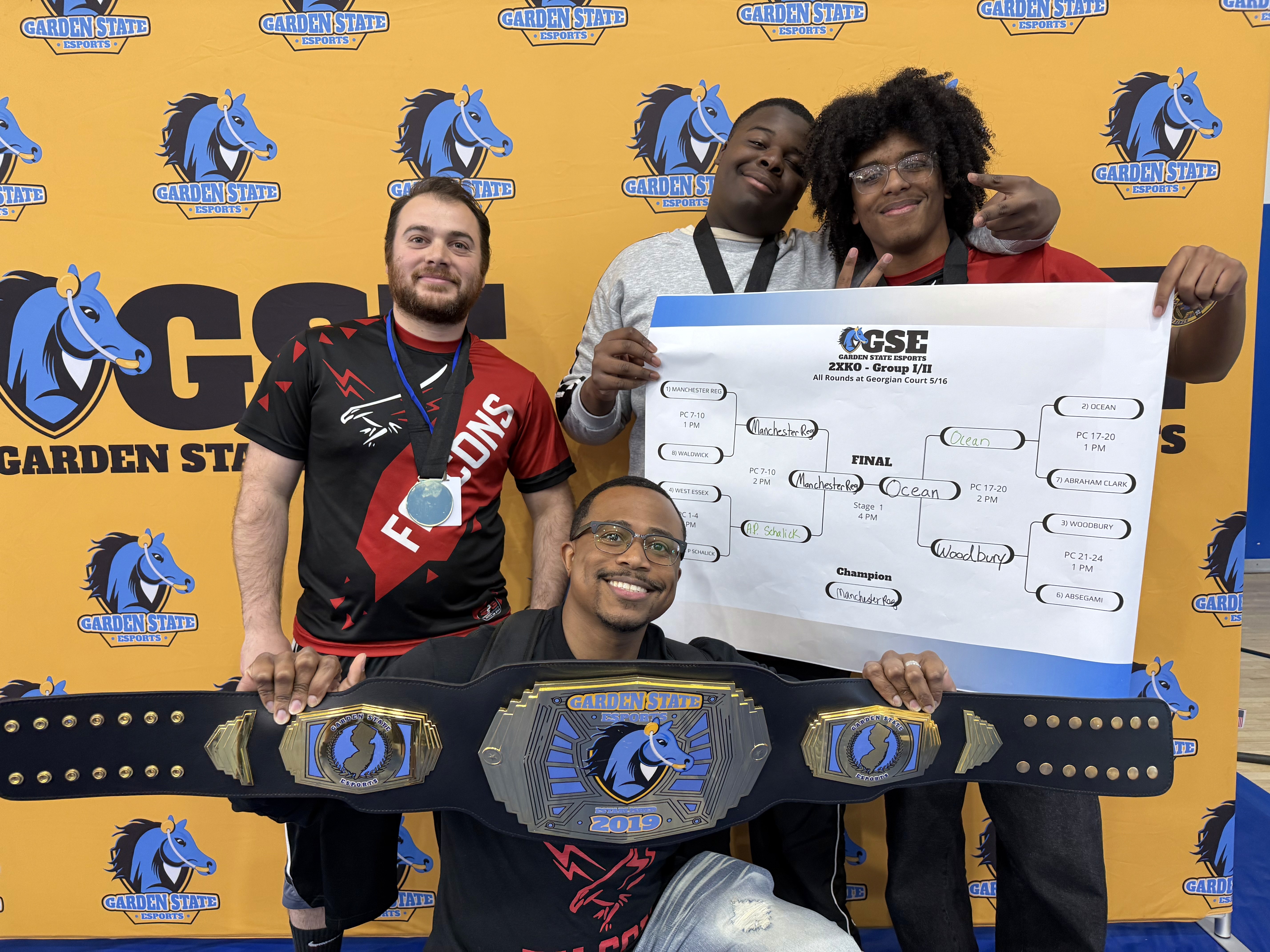
These are real jobs students do at our events: casting, producing, running cameras, setting up the network, designing graphics, and setting up the venue.
Featured Initiative
Put a Broadcast Studio in a School
$2,500 sets up a Student Broadcast Studio at one GSE school. Students use it to stream and call their own school’s matches every week.
Students already run our championship stages. They call matches, run cameras, build graphics, and manage the stream. The catch is that most students only get to do that a few times a year, at our events. A studio at their school means they practice every week, with their own team on screen.
Schools that get a studio agree to stream at least one match a week during the season, with at least one student calling the action. Those students can join On the Mic, our weekly casting program, and the ones who stick with it work our state championships.
What $2,500 covers:
Equipment: ATEM Mini Pro, monitor, camera, and two mics
Resources: curriculum, broadcast graphics, and setup guides
Commitment: at least one match streamed every week, with a student calling it
Your update: photos and a clip from the school’s first broadcast

Featured in NJEA Magazine
Behind the screens: How esports production is creating tomorrow’s careers.
NJEA Review covers how New Jersey students are building real production and broadcast skills through scholastic esports.
Ready to Get Started?
Bring broadcasting and production to your school.
Whether you are starting with one student and a stream or building a complete production crew, GSE can help your school take the next step.